
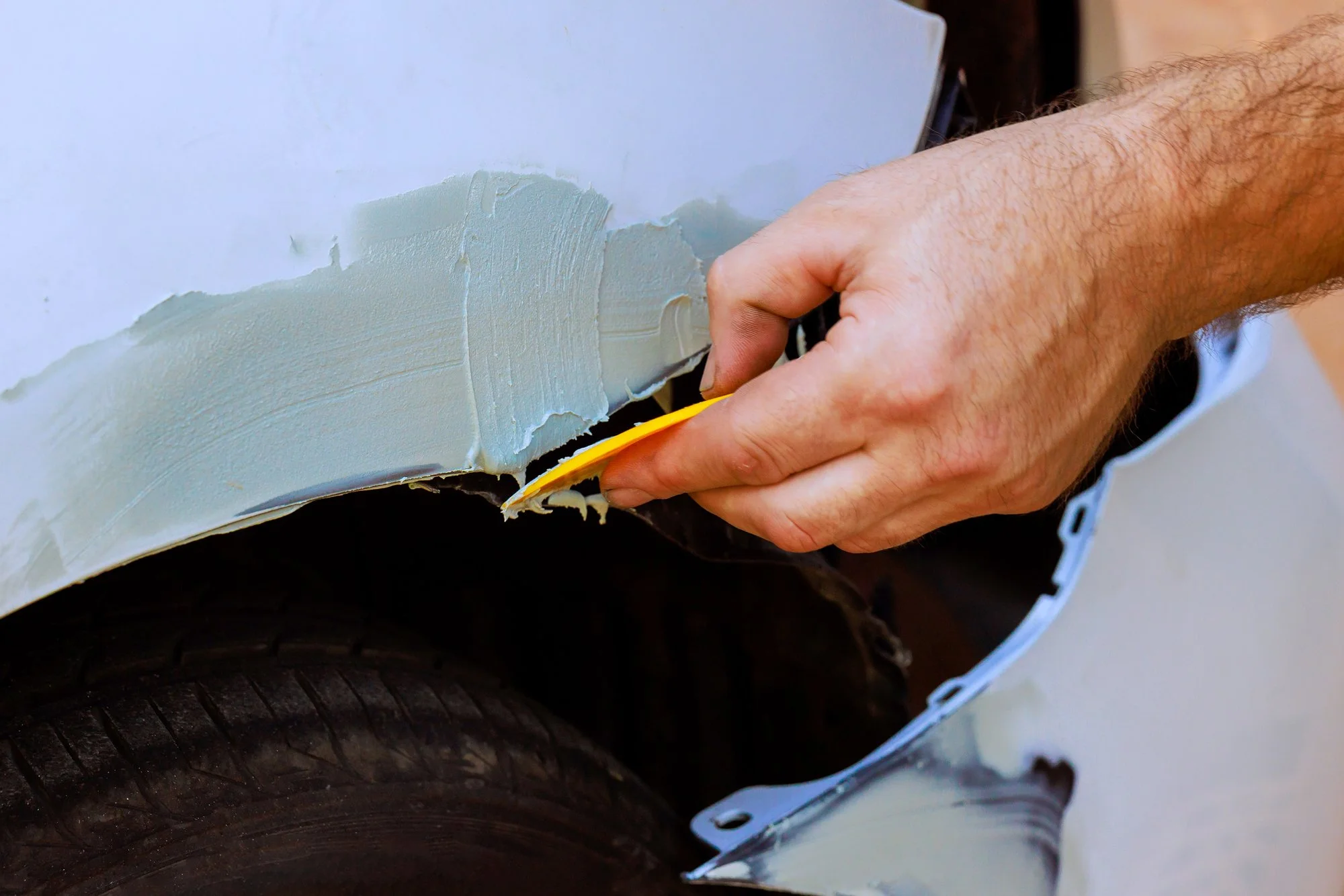
The difference between a smooth, professional finish and hours of extra sanding can come down to the edge of a simple plastic spreader. Selecting the right spreader size, edge profile, and flexibility can make the application process more efficient and easier to control. This applies whether you are leveling epoxy, distributing resin, or shaping automotive body filler.
Each material presents different challenges. Epoxy spreading often requires precise control when filling imperfections or fairing uneven surfaces. Resin applications, particularly fiberglass layups and composite work, demand consistent distribution without trapping excess air or leaving dry spots. Automotive body filler requires smooth, deliberate passes to build and contour a repair before the material begins to harden.
A good epoxy or resin spreader tool should have a clean working edge and enough flexibility to follow the surface. It should also provide enough control to distribute material evenly."Lidco's lineup of flexible plastic spreaders provides practical options for applications ranging from broad, flat surfaces to curved panels and tight details.
Why Edge Shape and Flexibility Matter
Not all plastic spreaders perform the same way. A straight edge helps distribute material consistently across flat surfaces, while a gently beveled edge can improve control when smoothing viscous compounds. Rounded corners and flexible construction help the applicator follow curved surfaces and reach detailed areas.
For thicker fillers, maintaining a consistent spreading angle helps control material buildup. For thinner resins, a flexible edge can help distribute material without excessive pressure. The ideal combination depends on the material's viscosity, the substrate's contours, and the working time available before curing begins.
How Spreader Requirements Change by Application
Epoxy Spreading: Controlled Filling and Fairing
Epoxy is widely used for bonding, coating, filling, and surface fairing. When thickened with fillers, it becomes a workable compound for filling voids, leveling imperfections, and creating smooth transitions.
For fairing applications, thickened epoxy is typically worked into depressions and spread across the surface using smooth, overlapping strokes. A flexible plastic spreader helps distribute the mixture and feather its edges into surrounding areas, reducing unnecessary material buildup.
A flexible, straight-edged spreader is particularly useful where controlled thickness and smooth transitions are important. Applications requiring a specified adhesive thickness may instead call for a notched spreader.
Resin Applications: Even Distribution Without Overworking
In fiberglass fabrication, marine repairs, and composite manufacturing, resin distribution affects how thoroughly reinforcing material becomes saturated.
During fiberglass layups, a plastic spreader can help move mixed resin into dry fabric areas and redistribute excess material using gentle, overlapping strokes. The objective is consistent saturation without unnecessarily disturbing the reinforcement.
Too much spreading pressure can displace resin and leave insufficiently saturated areas, while excessive working may introduce air bubbles or disturb fabric positioning.
A flexible resin spreader tool offers control when distributing compatible laminating resins across fabric or curved substrates. Smooth edges and consistent pressure help operators work efficiently while minimizing excess material.
Automotive Body Filler: Smooth Application Before Curing
Automotive body filler presents another challenge: limited working time. Technicians must distribute mixed filler, establish adhesion, and build the repair contour before the material begins to set.
In its collision repair application instructions, 3M advises technicians to: "Apply a thin tight layer using firm pressure to ensure maximum adhesion."
This guidance emphasizes the importance of controlled pressure and a dependable spreading edge. Flexible plastic spreaders can help technicians shape compatible fillers around contours, blend repair boundaries, and minimize unnecessary ridges that require sanding.
Three Lidco Plastic Spreaders for Different Application Needs
Lidco manufactures several flexible plastic applicators with distinct sizes and edge configurations. Each offers characteristics worth considering for compatible epoxy, resin, adhesive, and filler applications.
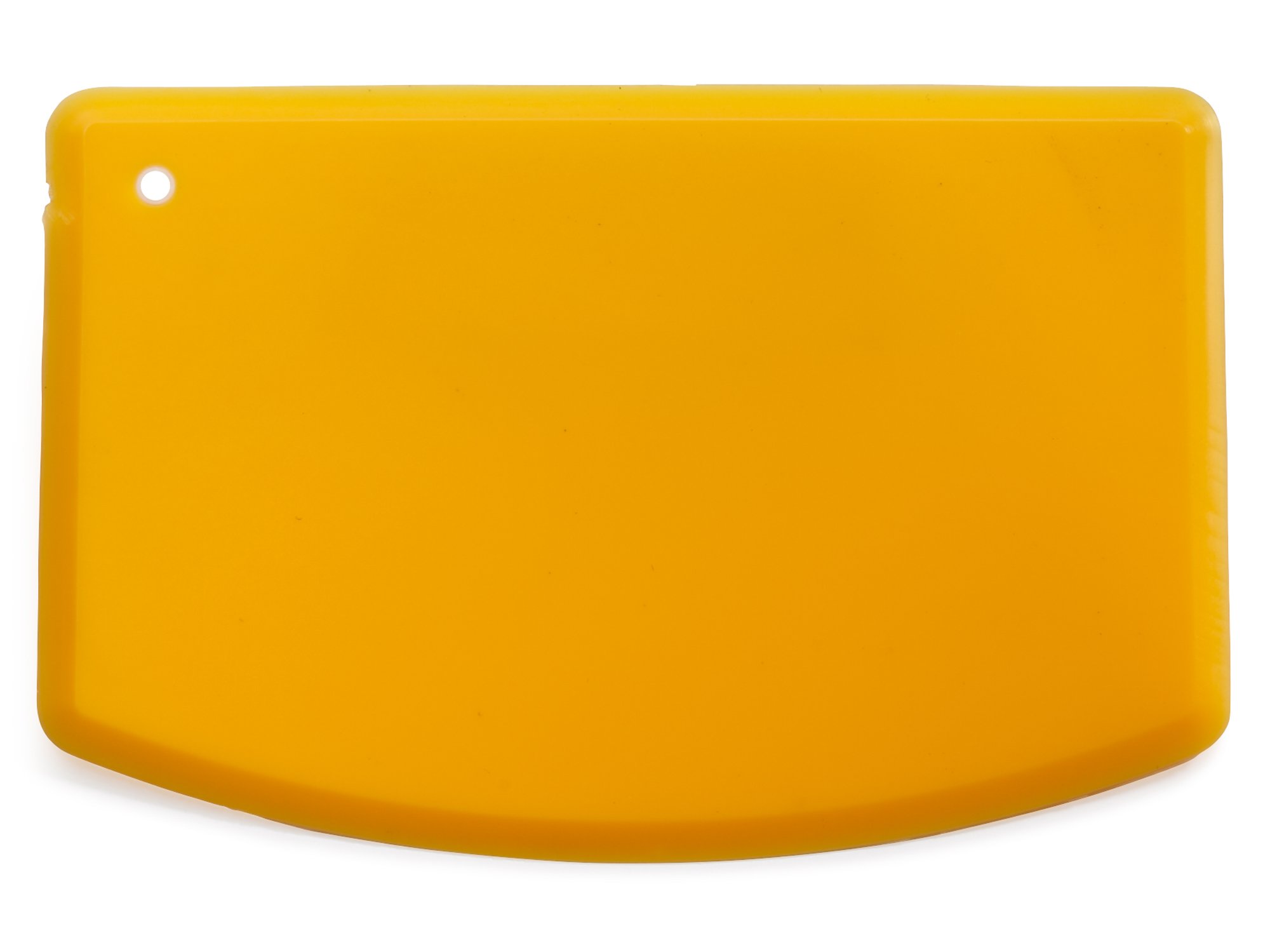
Lidco Low Profile Applicator / Spreader: Larger Surface Coverage
The Lidco Low Profile Applicator / Spreader measures 3.5 × 5.5 inches and features exceptionally soft, flexible construction.
Its straight, flat edge and sweeping curved corner provide multiple spreading options, while gently beveled edges help maintain smooth contact.
Lidco specifically identifies coatings, resins, and pastes among its applications, making this spreader a logical starting point for broader resin distribution, epoxy fairing, and surface-leveling work.

Lidco Soft Spreader / Applicator: Flexible Control
The Lidco Soft Spreader / Applicator features a low-profile design, radial corners, and a precision injection-molded working edge.
Manufactured from a soft poly-flow blend, it combines high flexibility with shape retention and smooth glide.
Its design is particularly well suited to controlled application of light- to medium-weight adhesive materials. For compatible resins and spreading compounds, its compact profile offers a useful alternative when a larger applicator is unnecessary.
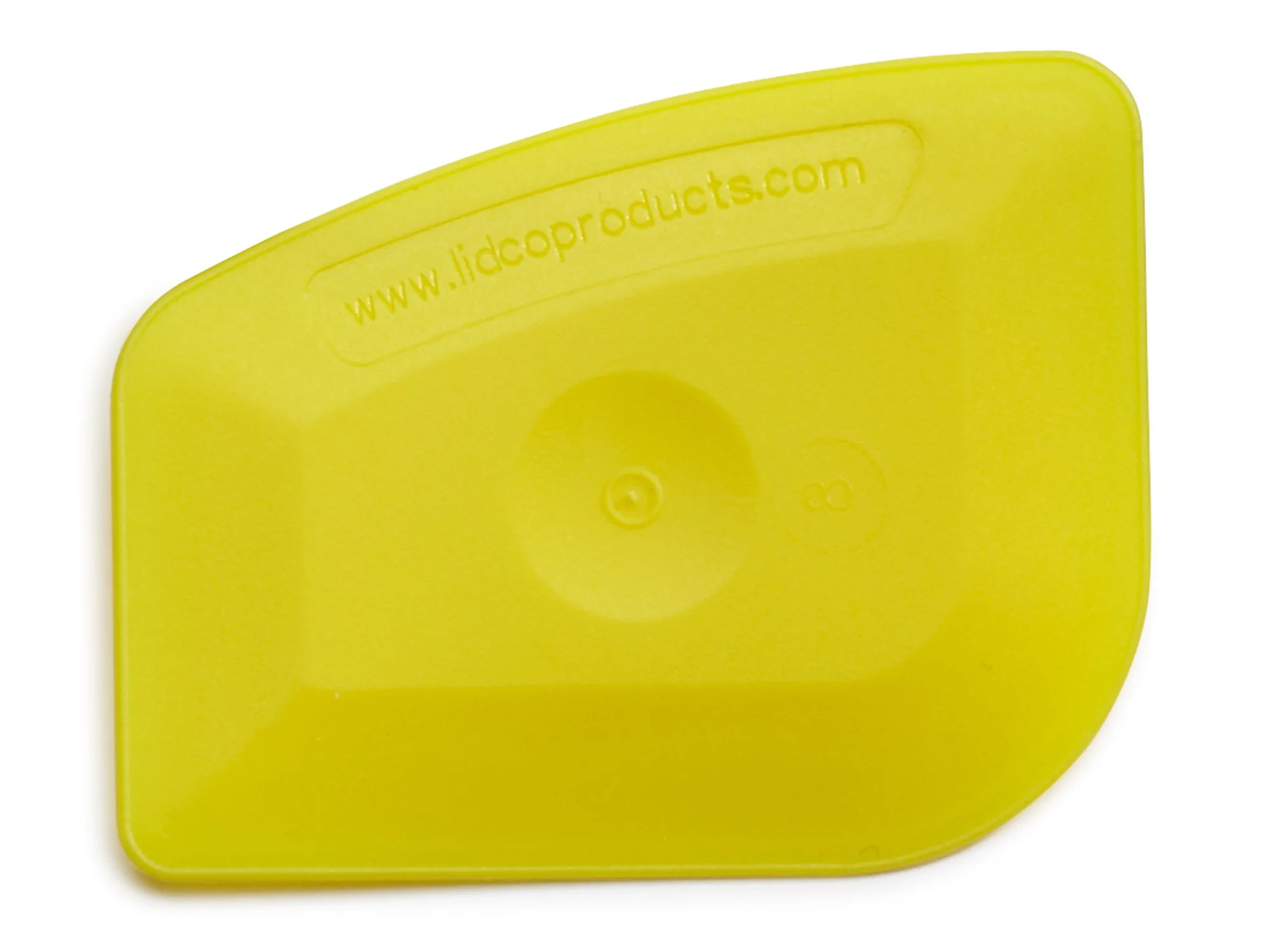
Lidco Mini Soft Spreader / Applicator: Detailed Application
For smaller repairs, the Lidco Mini Soft Spreader / Applicator offers increased maneuverability in a compact 3 × 2.25-inch format.
A center thumb spot improves grip, while its slightly beveled edge and rolled corners support precise spreading.
The Mini has a flexible, low-profile design. This makes it useful for applying putties, adhesives, and filler compounds around curved surfaces, tight spaces, and smaller repair areas.
Choosing the Right Spreader for the Job
For broad resin applications or epoxy fairing, consider Lidco's larger Low Profile Spreader. For controlled application of softer adhesive materials, the Soft Spreader provides a compact, flexible option. When precision and maneuverability are priorities, the Mini Soft Spreader offers an alternative for detail work.
Regardless of the application, always follow the material manufacturer's instructions for surface preparation, working time, tool compatibility, and cleanup. Inspect spreader edges for contamination or damage before beginning work.
Made in the USA, Lidco's plastic spreaders are available in wholesale quantities, with custom colors and selected branding options for distributors and industrial suppliers.
Explore Lidco's complete selection of spreaders and applicators to find the right combination of edge, flexibility, and size for your application.
Frequently Asked Questions
-
Yes. A flexible plastic spreader can handle epoxy, resin, and automotive body filler when compatible with the material. Lidco's Low Profile Applicator / Spreader is particularly versatile, featuring flexible construction and multiple edge profiles for spreading coatings, resins, pastes, and filler compounds. Always follow the material manufacturer's application and cleanup recommendations.
-
Flexible spreaders are generally better for curved surfaces, feathering edges, and distributing thinner resins. Stiffer spreaders provide greater control when working with thicker fillers or leveling flatter surfaces. Lidco's Soft Spreader / Applicator offers excellent flexibility and smooth glide for controlled spreading applications.
-
A spreading angle of approximately 30 to 45 degrees is a useful starting point for applying automotive body filler. Adjust the angle and pressure to control material thickness, follow surface contours, and minimize ridges. Use firm pressure for the initial adhesion coat, followed by smooth, overlapping strokes to shape the repair before the filler hardens.
-
Yes. Lidco plastic spreaders can be reused when properly cleaned and maintained. Remove uncured epoxy, resin, or body filler promptly using cleanup methods approved by the material manufacturer. Inspect the working edge before each use and replace spreaders that become nicked, warped, or damaged to maintain smooth application results.
-
A compact spreader provides better control for small repairs, tight spaces, and detailed surface work. Lidco's Mini Soft Spreader / Applicator measures just 3 × 2.25 inches and features a flexible design, slightly beveled edge, and ergonomic thumb spot. It's an excellent choice for applying compatible fillers, putties, and adhesives in confined areas.